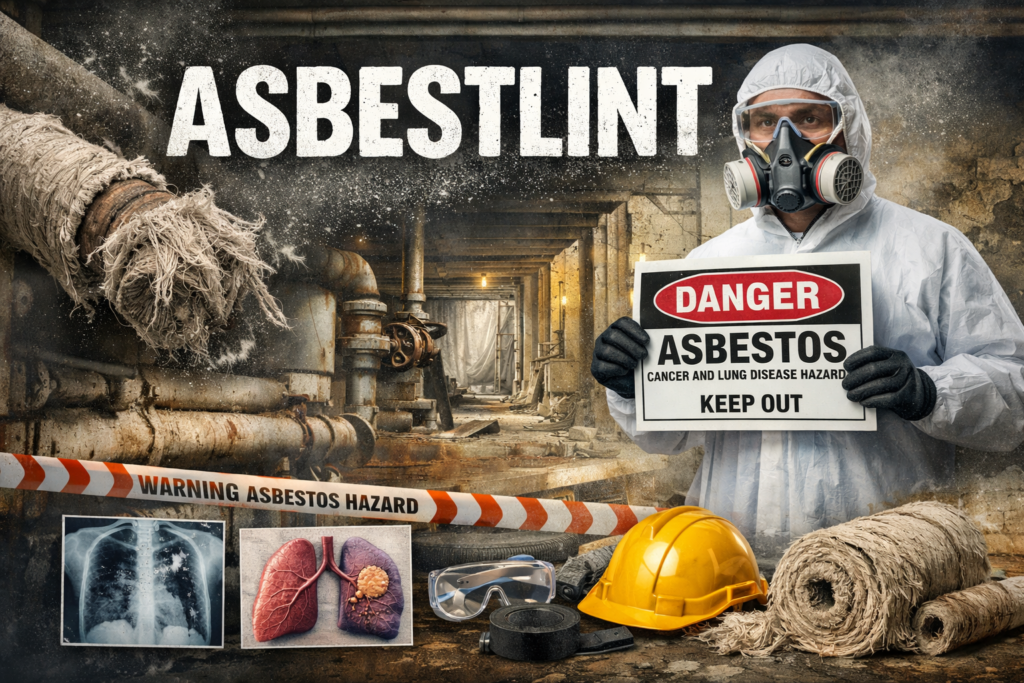

Asbestlint is a word that many people search online. It is linked to asbestos and building safety. The word is not a medical or legal term. People use it to describe asbestos materials. Some people use it to describe asbestos dust. Asbestos was used in many old buildings. It was used for heat protection. It was used for fire safety. It was used for insulation. Today asbestos is known to be dangerous. It can cause serious health problems. Many old buildings still contain asbestos. This is why people still face risk today Bynethi Com
This guide explains this in simple words. It explains where it is found. It explains the health risks. It explains what to do if you find it. It explains safe options and modern materials.
What Is Asbestlint
It is not an official term. It is a common word used by people. It is used in two main ways.
Meaning One
Asbestlint can mean asbestos tape or rope or cloth. These materials were made using asbestos fibers. They were used to wrap pipes. They were used to seal hot parts. They were used in boilers and machines. They were used to stop heat and fire.
Meaning Two
It can also mean loose asbestos fibers. These fibers look like dust or lint. They come from old damaged materials. They can float in the air. They can settle on surfaces.
What Asbestlint Is Not
Asbestlint is not safe material. Asbestlint is not modern insulation. Asbestlint is not approved for use today. Asbestlint is not harmless dust.
Where Asbestlint Is Found
Asbestlint is mostly found in old buildings. It is found in homes built many years ago. It is found in factories. It is found in schools and hospitals. It is found in ships and old vehicles.
Common Places In Homes
-
Basements
-
Boiler rooms
-
Pipe areas
-
Attics
-
Old heaters
-
Old electrical panels
Common Places In Work Areas
-
Factories
-
Power plants
-
Machine rooms
-
Storage areas
-
Old offices
-
Old public buildings
Places With High Risk
-
Renovation sites
-
Demolition areas
-
Repair zones
-
Areas with vibration
-
Areas with heat
Health Risks Of Asbestlint
Asbestos fibers are very small. They cannot be seen easily. They can enter the lungs. They stay in the body for a long time. They cause damage slowly.
Main Health Problems
-
Asbestosis
-
Lung scarring
-
Short breath
-
Long term breathing problems
-
-
Lung cancer
-
Higher risk with asbestos
-
Higher risk for smokers
-
-
Mesothelioma
-
Rare cancer
-
Affects lung lining
-
Strong link to asbestos
-
Why Asbestlint Is Dangerous
-
Fibers float in the air
-
Fibers stay in the lungs
-
Damage grows over many years
-
Symptoms appear very late
-
People may not feel sick at first
People At Higher Risk
-
Builders
-
Plumbers
-
Electricians
-
Factory workers
-
Maintenance workers
-
Home renovators
How Asbestlint Becomes Airborne
Asbestos materials are safe only when not touched. They become dangerous when damaged.
Ways Fibers Are Released
-
Cutting old insulation
-
Drilling walls
-
Removing pipe wrap
-
Breaking old boards
-
Sanding surfaces
Environmental Causes
-
Age and decay
-
Water leaks
-
Heat damage
-
Vibration from machines
Human Actions
-
Home renovation
-
Building repair
-
Demolition work
-
Poor cleaning methods
How To Spot Possible Asbestlint
You cannot confirm asbestos by looking only. You can only suspect it.
Visual Signs
-
White or grey fiber wrap
-
Cloth like pipe cover
-
Rope like seals
-
Crumbling insulation
-
Dust near old pipes
High Risk Situations
-
Old buildings
-
Unknown insulation
-
Old heating systems
-
Old industrial equipment
Professional Testing Steps
| Step | Description |
|---|---|
| Step one | Visual check by trained person |
| Step two | Small sample collection |
| Step three | Lab testing |
| Step four | Risk review |
| Step five | Action plan |
What To Do If You Find Asbestlint
If you think you found asbestlint you must act safely.
Immediate Actions
-
Stop work
-
Do not touch the material
-
Keep people away
-
Close the area
-
Turn off air flow
Next Actions
-
Call asbestos experts
-
Arrange testing
-
Follow local safety rules
-
Record the location
Safe Handling And Removal
Asbestos removal is controlled by law. It must be done by trained workers.
Safety Rules
-
Seal the area
-
Use protective clothing
-
Keep fibers wet
-
Use air filters
-
Clean tools properly
-
Dispose waste safely
Removal Process
| Phase | Task |
|---|---|
| Phase one | Prepare the area |
| Phase two | Seal the space |
| Phase three | Remove material safely |
| Phase four | Clean the area |
| Phase five | Test air quality |
| Phase six | Dispose waste |
Legal And Safety Rules
Asbestos is controlled by law in many countries.
Common Legal Rules
-
Survey before renovation
-
Worker training
-
Safe removal methods
-
Approved waste disposal
-
Written safety records
Risks Of Breaking Rules
-
Heavy fines
-
Legal action
-
Health damage
-
Project delays
-
Long term building contamination
Safe Modern Materials
Today asbestos is no longer needed. Safe materials are used instead.
Safe Material Types
-
Fiberglass insulation
-
Mineral wool
-
Ceramic fiber
-
Fire safe foam
-
Heat resistant tape
Benefits Of Modern Materials
-
Safe for health
-
Easy to install
-
Long lasting
-
Approved by safety laws
-
Widely available
Frequently Asked Questions
Asbestlint what does it mean?
Asbestlint is a common word used for asbestos materials or asbestos dust. It is not an official term. People use it to describe old asbestos tape rope cloth or loose fibers.
Asbestlint where is it found?
Asbestlint is found in old buildings. It can be found near pipes boilers heaters and insulation areas. It is common in basements attics and machine rooms.
Asbestlint is it dangerous?
It is dangerous. It can release asbestos fibers into the air. These fibers can enter the lungs and cause serious health problems over time.
Asbestlint how does it affect health?
It can cause lung disease. It can lead to breathing problems. It can increase the risk of lung cancer and mesothelioma many years after exposure.
Asbestlint how can I know if it is in my home?
It cannot be confirmed by sight. Only lab testing can confirm asbestos. A trained professional must collect and test samples safely.
Conclusion
It is not an official term. It refers to asbestos materials or dust. These materials are dangerous. They can cause serious illness. The risk can last for many years. Old buildings still contain asbestos. Renovation work increases risk. Testing is the only way to be sure. Professional help is the safest choice. Learning about asbestlint helps protect health. Safe handling saves lives. Modern materials offer safer options.